In the quiet alleys of Kashmir’s marketplaces, a disturbing reality lurks behind the shimmering display of meat. Beneath the surface of neatly cut pieces lies a grave threat to public health — the sale and consumption of rotten and unhygienic meat. This isn’t just a matter of decaying flesh; it’s a symptom of a broader systemic failure, and one that carries dangerous consequences.
A Hidden Epidemic
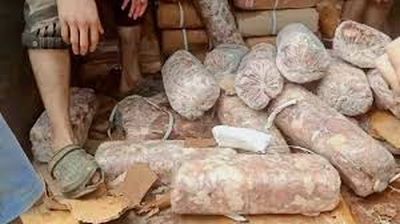
Recent inspections by municipal authorities in parts of Kashmir have revealed shocking findings — unlicensed butchers, meat stored without refrigeration, and in some cases, chemically treated rotten meat being sold to unsuspecting consumers. Whether driven by profit, lack of oversight, or sheer neglect, the trend of selling spoiled meat is rising. And so are its consequences.
Public Health in Peril
The consumption of spoiled or decomposing meat is not just unpleasant — it is hazardous. Medical professionals in the Valley report increasing cases of food poisoning, gastrointestinal infections, and parasitic diseases linked to unhygienic meat. In more severe cases, the consumption of such meat can lead to botulism or E. coli infection, which, if left untreated, can be fatal.
Children and the elderly, already vulnerable, suffer the most. In rural hospitals, physicians struggle with treating infections born not of complex diseases, but of basic hygiene violations.
The Systemic Failure
This crisis did not emerge overnight. It has been allowed to fester due to lack of strict regulatory enforcement. Meat inspection units are either understaffed or non-existent in many areas. Despite having rules in place under the Food Safety and Standards Act, implementation is weak and often absent altogether.
Moreover, consumer awareness remains dangerously low. Many buyers, especially in less-educated or poorer areas, either cannot detect signs of spoiled meat or are forced to buy it due to lack of alternatives.
Economic Pressure and Ethical Decay
Butchers often face pressure to sell all their stock, even if it has gone bad, to avoid losses. Without adequate refrigeration facilities or regulatory monitoring, they sometimes resort to using chemicals like formalin to mask decay — a practice that is not only unethical but criminal.
Meanwhile, ethical meat sellers — those who adhere to hygiene and safety standards — are undercut by unscrupulous competitors who sell cheaper, spoiled meat. This distorts the market and further discourages honest practices.
The Way Forward
The battle against rotten meat cannot be fought in silos. A multipronged approach is essential:
- Stringent inspections and licensing: Authorities must crack down on unlicensed meat vendors and conduct surprise checks to ensure compliance.
- Infrastructure support: Cold chains and modern slaughterhouses must be developed, especially in rural districts.
- Public awareness campaigns: Consumers should be educated about the signs of spoiled meat and their rights to safe food.
- Strict penalties: Offenders must face harsh fines, imprisonment, and cancellation of licenses.
- Community involvement: Local leaders and mosque committees can play a role in discouraging unethical practices.
Conclusion
The issue of rotten meat in Kashmir may seem like a local concern, but it reflects a deeper moral and systemic decay. In a region already burdened with political and economic challenges, the right to safe, clean food must not be compromised. The time for action is now — before the rot spreads any further.
The author is a research scholar and columnist. aijazahmad003@gmail.com