New Delhi: GST on pre-packaged goods/ food packets was levied after some states gave feedback of losing revenues they previously earned from levy of VAT on food items, a top government official said.
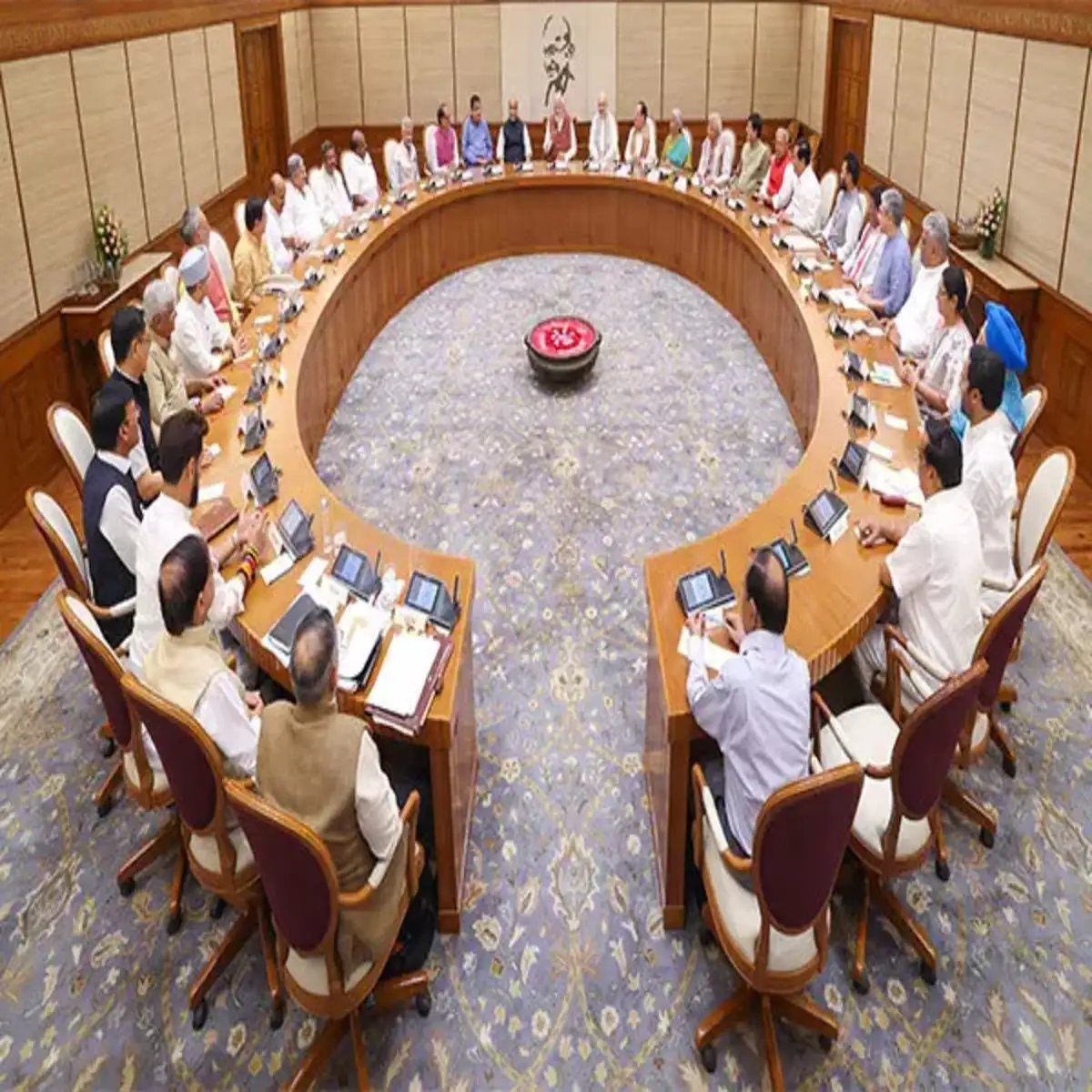
The decision to levy the tax, which came into effect from July 18, is not that of the Union government but of the GST Council. It was considered by the Fitment Committee that has officers of some states and the centre.
It was also recommended by a group of ministers (GOM) consisting of minister representatives of some states and finally by the GST council, Revenue Secretary Tarun Bajaj told PTI here.
In all, the GST Council, the new constitutional mechanism in the country for taking decisions on GST, took a consensus view on levy of the tax, he said.
The panel, which is headed by the Union Finance Minister and comprises representatives of all states and union territories, takes decisions when everyone is onboard, he said.
However, pulses, wheat, rye, oats, maize, rice, flour, suji, besan, puffed rice and curd/lassi when sold loose and not pre-packed or pre-labelled will not attract any GST.
The comments come against the backdrop of opposition parties led by the Congress stalling functioning of Parliament in the first week of the monsoon session over levying of GST on daily use items and other issues.
While states ruled by non-BJP parties were party to the decision taken on the levy of the tax at the Council’s meeting in Chandigarh last month, vociferous protests against the levy came just as the monsoon session of Parliament was to start.
“Before GST came into place (on July 1, 2017) during the VAT regime, this (tax on essentials) was there in many states. States were getting revenue (from levying VAT on food items). Once in 2017, this new goods and services tax (GST) regime came, it was envisaged that this would continue but it was levied only on branded products when rules and circulars came out,” Bajaj said.
The rules provided that the GST will not be levied on pre-packed goods if the brands gave up actionable claims on the brand. This led to some of the well renowned brands beginning to sell these items in packets that carried their brand but no actionable claim on it and so did not attract the 5 per cent GST.
“I don’t want to take names but very renowned brands in the country were not paying taxes using this particular loophole. And this was creating an arbitrage because in a FMCG product like pulses or rice which is indistinguishable, 5 per cent is a huge margin,” he said.
Naturally, the companies selling products under brands complained.
“States also gave us feedback that we used to get a lot of money before GST came in and that we should do something,” he said.
He, however, did not name the states.
Eliminating the distinction between branded and non-branded products was also an exercise to simplify the tax regime and create a level playing field with minimal possibility of legal challenges. It gives parity to all brands and companies by removing any disparity, he said.
“So, people were misusing it. Secondly, states gave us feedback that they were losing revenues on it and not getting revenues they used to get in pre-GST regime,” he said.
“So the Fitment Committee (composed of central and state officials) sat down, got feedback. Then the Group of Ministers (from different states) sat down, got feedback. Then the Council discussed it. So it was a conscious decision taken… it was a unanimous… consensus decision,” he noted.
Bajaj said the GST Council has been working with complete understanding of issues and taking decisions addressing concerns of even one dissenting state.
“I have seen so many decisions that we did not take it forward in a meeting because one state had concerns. The approach is that either we will address the concern or not take it forward,” he said.
Union Finance Minister Nirmala Sitharaman on July 19 stated that states levied sales tax or VAT on foodgrains in the pre-Goods and Services Tax (GST) regime and the present levy on cereals, pulses, flour, curd and lassi is an exercise to curb tax leakage.
The Fitment Committee, which first examined the issue, comprised officers from Rajasthan, West Bengal, Tamil Nadu, Bihar, Uttar Pradesh, Karnataka, Maharashtra, Haryana and Gujarat.
Its recommendations were examined by a Group of Ministers composed of members from West Bengal, Rajasthan, Kerala, Uttar Pradesh, Goa and Bihar and was headed by the chief minister of Karnataka.
The GoM recommendation was placed before the GST Council, the highest decision-making body of the new tax regime, at its meeting in Chandigarh last month.