New Delhi: Prime Minister Narendra Modi on Tuesday announced the constitution of seven empowered groups to deal with potential long-term impacts of the West Asia war and urged states to work with the Centre in a ‘Team India’ approach to ward off the crisis.
Flagging ‘serious side effects of the war’, the Prime Minister recalled the national response to COVID-19, when empowered groups of experts had helped address challenges, and said the seven empowered groups will deal with the consequences of war and evolve strategies on fuel, fertilisers, gas, supply chains and inflation.
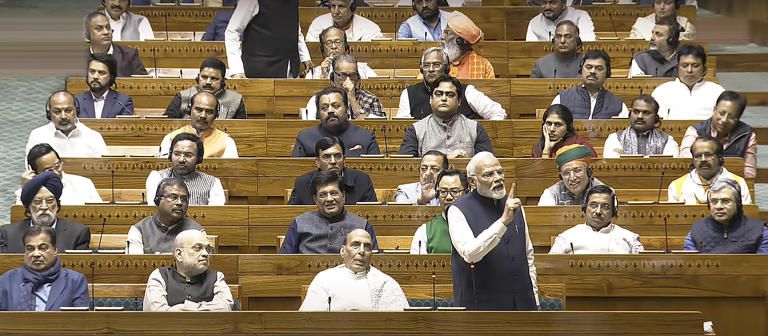
In a statement in the Rajya Sabha, he reiterated India’s position of dialogue and diplomacy as the only solutions to the restoration of peace in West Asia.
He also said India was in constant touch with all parties, including Iran, Israel and the United States, to stress de-escalation.
While admitting to the unprecedented challenges the war is posing for India in terms of supply of essential goods, including crude, gas and fertilisers, the Prime Minister said going forward “self-reliance was the only option”.
Acknowledging that the situation is constantly changing, the Prime Minister called upon citizens to remain prepared for every eventuality.
Noting that the war has created a serious energy crisis globally, he also warned miscreants against taking advantage of crisis, and has asked state governments to check black marketing and hoarding.
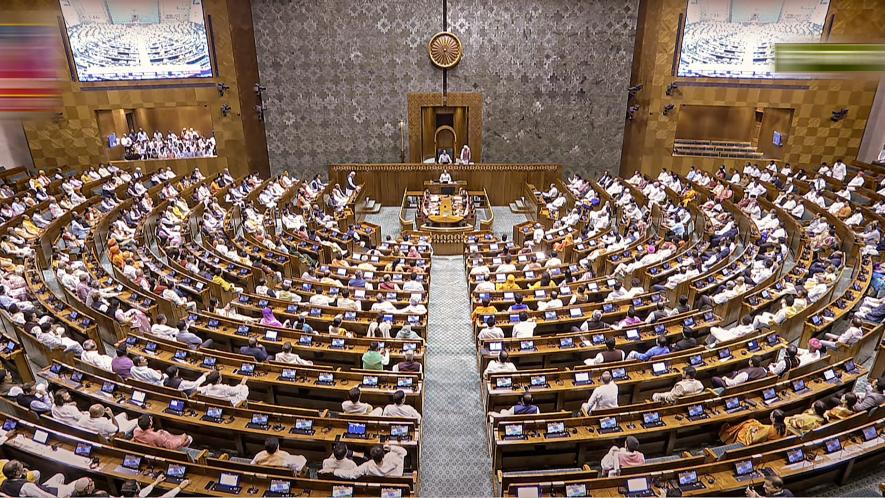
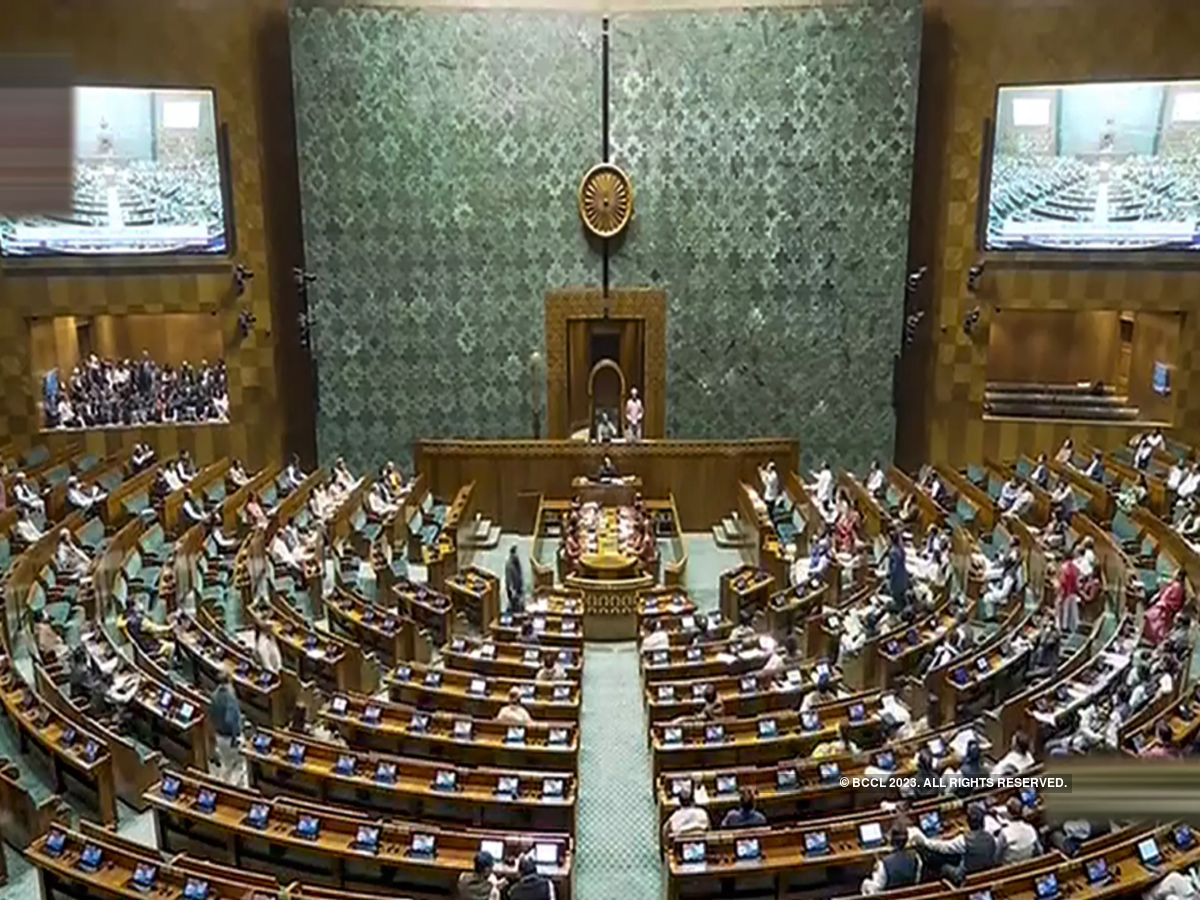
In such a critical situation, it is essential that a united voice of peace and dialogue goes out to the entire world from this Upper House of India’s Parliament, Modi said.
He asserted that the government is trying to procure gas and crude oil from all available sources, and efforts on this front will continue in the coming days to ensure that the common people are not affected.
Modi also said necessary preparations have been made for the adequate supply of fertilisers, as he assured farmers that no burden of war falls upon them.
“The government is working with a comprehensive strategy to address every aspect of this crisis — be it its short-term, medium-term, or long-term implications,” he said.
The government, the Prime Minister said, has already constituted an inter-ministerial group, which meets regularly to assess any difficulties in import-export operations and work on devising necessary solutions.
“Much like the empowered groups, comprising experts and officials, that were formed during the COVID-19 pandemic to tackle challenges across various sectors, seven such new empowered groups were constituted just yesterday.
“These groups will be tasked with taking action, guided by both immediate and long-term strategies, on critical issues, such as supply chains, petroleum and diesel, fertilisers, natural gas, and inflation. I am fully confident that through these collective efforts, we will be able to effectively navigate the prevailing circumstances,” Modi said.
Noting that the West Asia crisis is of a unique nature, the Prime Minister said its solutions are being devised in a correspondingly distinct manner.
“We must confront every challenge with patience, restraint, and a calm mind,” he said.
He also assured that the safety of lives and livelihood of around one crore Indians in the Gulf countries is also a very big concern for India.
He said around 3,75,000 Indians have returned safely from the Gulf region so far, including 1,000 from Iran.
The Prime Minister noted that the coming period will pose a significant test for the nation, and the cooperation of states will be indispensable for success.
He urged all state governments to ensure that the benefits of the PM Garib Kalyan Anna Yojana continue to reach beneficiaries on time, as crises disproportionately affect the poor, labourers, and migrant workers.
He also called upon them to take proactive steps to put special monitoring mechanisms in place and swift action against complaints of black marketing and hoarding.
“The uninterrupted supply of essential commodities must be the topmost priority for every state, and I earnestly appeal to all state governments to put special arrangements in place to ensure this,” he said.
Invoking the spirit of cooperative federalism, the Prime Minister called upon state governments to ensure that India’s robust growth trajectory is maintained regardless of the scale of the crisis, and that every necessary step and reform is implemented with speed.
Recalling the exemplary Team India spirit demonstrated during the COVID-19 pandemic, when the Centre and states, despite being governed by different political parties, collaborated seamlessly on testing, vaccination, and the supply of essential goods, the Prime Minister said this same spirit must guide the nation now.
“With the combined efforts of all state governments and the central government, the country will be able to effectively confront this grave global crisis. We must carry forward the same Team India spirit,” he asserted.
While cautioning that the adverse effects of this war are very likely to persist for an extended period, he said, “The government is vigilant, it is ready, and it is formulating its strategy and taking every decision with utmost seriousness, the welfare of the people of this country is paramount for us; this is our identity, and this is our strength”.
If the West Asia crisis persists for a longer period, serious consequences are imminent, he said, adding that efforts through diplomacy are being made to ensure the safe passage of Indian ships even during the war.
India’s aim is the de-escalation of the war and opening of the Strait of Hormuz, he said, adding that the country’s attempt is to encourage all sections to peacefully resolve all issues.
He said attacks on commercial ships and the disruption of international waterways like the Strait of Hormuz are unacceptable.