New Delhi: India will prioritise meeting domestic fuel demand before considering supply requests from countries such as Bangladesh and other regional buyers, as energy market disruptions tighten availability.
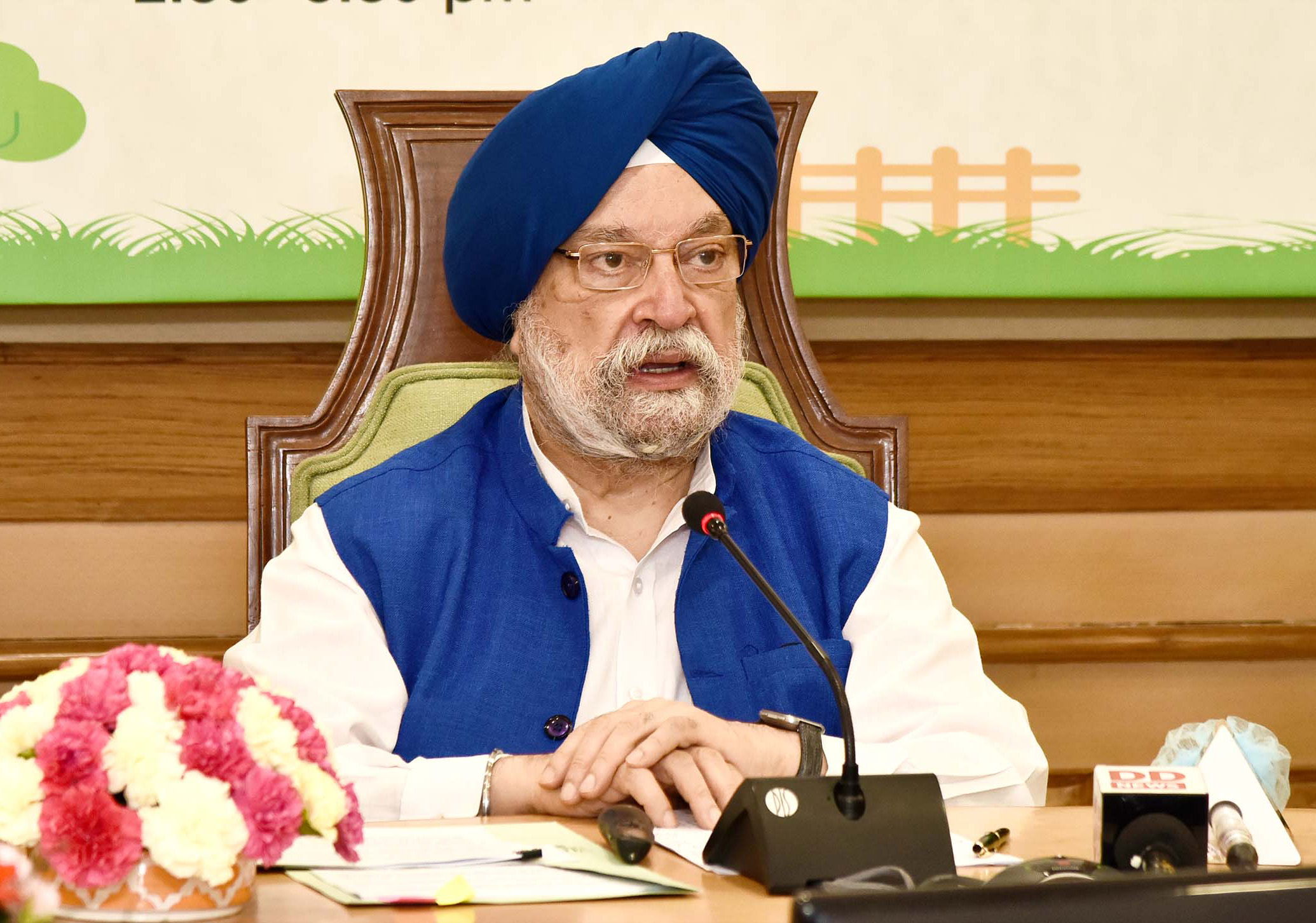
“Rashtrahit Sarvopari (Nation First),” said Sujata Sharma, Joint Secretary in the Ministry of Petroleum and Natural Gas. “Domestic fuel demand has to be met first. If there is a surplus after meeting all of the domestic demand, a decision can be taken by the appropriate authority.”
At a media briefing on the energy supply scenario in view of the developments in West Asia, she was asked about requests from neighbouring countries seeking fuel from India.
Several neighbouring nations have sought additional supplies from India to offset shortages triggered by ongoing geopolitical tensions.
She said ensuring adequate domestic availability remains the primary focus, with exports to be evaluated only after internal demand is fully met.
Bangladesh, Sri Lanka, and the Maldives have requested emergency fuel supplies from India to mitigate shortages caused by the West Asia conflict. Bangladesh sought diesel in excess of the 5,000 tonnes, it receives via a pipeline under an existing arrangement. Sri Lanka and the Maldives too have sought additional fuel supplies from India.
Besides Bangladesh, India also supplies fuels like petrol, diesel and LPG to Nepal and Bhutan. Nepal has reportedly requested an additional 3,000 tonnes of LPG monthly.
India has surplus refining capacity — it makes fuels more than its annual consumption. The surplus is exported.
However, the war in the Middle East has disrupted supplies of crude oil (raw material) as well as products like LPG.
India imports about 88 per cent of its crude oil, 50 per cent of natural gas, and 60 per cent of LPG. Before the war broke out, more than half of the crude oil that India imported came from countries like Saudi Arabia, Iraq and the UAE, which use the Strait of Hormuz for shipping. As much as 85-95 per cent of LPG and 30 per cent of the gas came through the strait.
With the strait being blocked, India has managed to partially offset crude oil supplies through alternative sources, such as Russia, West Africa, the US and Latin America. However, sourcing from outside of the Middle East is costlier due to higher freight and insurance charges.
New Delhi has managed to keep domestic supply lines for petrol and diesel running uninterruptedly, but the blockage of gas and LPG supplies from the Middle East has led to supplies to industrial and commercial users being curtailed.