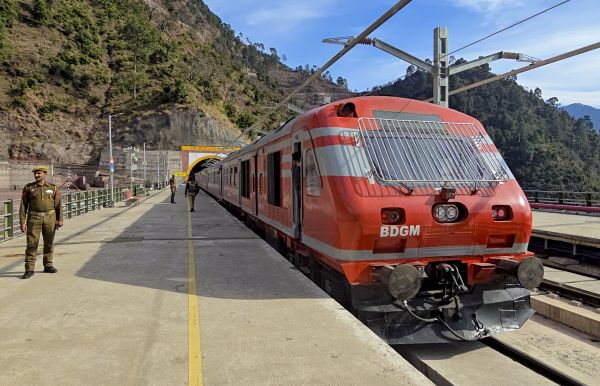
Railways have always played a crucial role in connecting people, regions, and cultures. In India, the railway network is not just a means of transport it is a lifeline for millions of passengers who depend on it for education, employment, tourism, and social connectivity. Among the most awaited and significant developments in recent years is the expansion of railway connectivity in the Kashmir Valley, especially the introduction of special trains connecting Budgam to Katra.
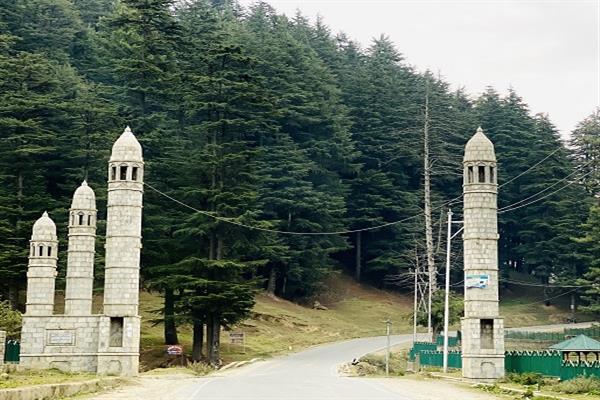
This rail link has not only brought Kashmir closer to the rest of the country but has also opened new horizons for tourism, trade, and cultural exchange. Traveling by train from Budgam towards Katra is an experience in itself. The journey offers breathtaking views of the Kashmir Valley—snow-covered mountains, lush green fields in summer, apple orchards, pine forests, and crystal-clear streams. For passengers, especially tourists and first-time travellers, this scenic beauty transforms the journey into a memorable experience. It feels like traveling through a living postcard where nature unfolds its charm at every turn.
However, while the beauty of the journey is undeniable, there remains a critical gap in passenger amenities—particularly the absence or poor condition of toilet facilities in local trains operating within the Kashmir Valley. This issue becomes more serious during the harsh winter months when temperatures drop below freezing and access to basic facilities becomes not just a matter of comfort, but of dignity, health, and human necessity.
The Budgam–Katra railway connection is more than just a transport route. It symbolizes integration, accessibility, and development. Katra, being the base camp for the famous Mata Vaishno Devi shrine, attracts millions of pilgrims every year. With the railway connection, pilgrims from Kashmir can now travel more conveniently to Katra, while tourists from the rest of India can easily explore the Kashmir Valley. This rail link has reduced travel time, lowered transportation costs, and increased mobility for students, employees, traders, and patients who need to travel for medical treatment. Earlier, road travel was the only option, often disrupted by landslides, snowfall, or security concerns. Trains, on the other hand, provide a safer and more reliable alternative.
Moreover, the railway has contributed significantly to local economic development. Hotels, restaurants, taxi services, and small businesses near railway stations have seen increased activity. The movement of goods has also become smoother, benefiting farmers and traders who rely on timely transport of perishable products. One of the most attractive aspects of rail travel in Kashmir is the scenic beauty it offers. Unlike road journeys, which are often tiring and stressful, train journeys allow passengers to relax and enjoy the landscape. As the train moves through Budgam, Srinagar, Anantnag, and other parts of the valley, passengers witness a unique blend of natural and cultural beauty. Snow-capped peaks in winter, golden fields in autumn, blossoming almond and cherry trees in spring, and vibrant green meadows in summer create a changing panorama throughout the year. The sight of traditional Kashmiri houses, mosques, wooden bridges, and rivers like Jhelum adds to the charm. For many passengers, especially those traveling daily for work or studies, the train becomes a moving classroom of geography, culture, and environmental beauty.
This scenic experience also has psychological benefits. In a region that has witnessed prolonged stress due to political instability and economic challenges, such peaceful journeys provide a sense of calm and hope. Despite these positive aspects, a major concern remains—the absence or poor availability of toilet facilities in local trains of the Kashmir Valley. Most local passenger trains do not have functional toilets, or if they exist, they are either locked, poorly maintained, or unusable.
This issue affects all passengers but becomes especially problematic for elderly people, women, children, pregnant women, patients and people with medical conditions. For journeys that last three to four hours, the lack of toilets creates serious discomfort and embarrassment. Many passengers are forced to avoid drinking water before travel, which can lead to dehydration, headaches, and other health problems.
In winters, the situation becomes even worse. Kashmir experiences extreme cold, with temperatures often dropping below zero. During this time, stepping out at stations or nearby areas to use toilets is not only inconvenient but also risky due to slippery surfaces, snow, and lack of proper public toilets at many stations. Winter in Kashmir is not just a season it is a test of endurance. Life slows down, roads freeze, and people struggle with basic necessities.
In such conditions, traveling without toilet facilities becomes a serious challenge. Passengers often have to suppress their natural needs for long hours, which is neither healthy nor humane. Women, in particular, face severe difficulties due to lack of privacy and sanitation facilities. This situation violates the basic principles of human dignity and comfort. Sanitation is not a luxury it is a fundamental human right.
The Indian government itself has emphasized the importance of cleanliness and hygiene through initiatives like Swachh Bharat Abhiyan. Providing toilets in trains is a direct extension of this national mission. The absence of toilets in trains has direct health consequences. When people avoid drinking water to prevent the need for toilets, it leads to urinary tract infections, kidney problems, digestive disorders, dehydration, fatigue and weakness. For elderly passengers and patients, these risks are even higher. Moreover, unsanitary practices like relieving oneself in open areas near tracks or stations can lead to environmental pollution and spread of diseases. Clean and functional toilets would significantly improve public health standards and reduce these risks.
A Suggestion to the Railway Government
Given the importance of rail travel in Kashmir and the growing number of passengers, it is strongly suggested that the Railway Government take immediate steps to introduce and maintain proper toilet systems in local trains, especially for winter operations. Some practical measures include:
- Installation of Modern Bio-Toilets: Indian Railways has already introduced bio-toilets in many long-distance trains. The same technology can be implemented in Kashmir’s local trains. These toilets are eco-friendly, require less maintenance, and prevent waste from being discharged on tracks.
- Regular Cleaning and Maintenance: Installing toilets is not enough. They must be cleaned regularly and monitored by dedicated staff. Cleanliness is key to ensuring that passengers actually use these facilities.
- Heated or Insulated Toilets for Winter: Considering the extreme cold, toilets should be insulated or heated to prevent freezing of water and pipes. This will ensure usability throughout the winter season.
- Toilets at All Major Stations: In addition to on-board toilets, every major station should have clean, accessible, and gender-separate toilet facilities with proper lighting and water supply.
- Awareness and Responsibility: Passengers should also be educated about maintaining cleanliness.
Many cold regions across the world, such as parts of Europe, Canada, and Northern Asia, operate trains in extreme weather conditions with fully functional toilet systems. Even within India, hill regions like Himachal Pradesh and parts of the Northeast have better sanitation facilities in transport services. Kashmir, being an important tourist and cultural destination, deserves similar or even better infrastructure. If international tourists are encouraged to visit the valley, basic amenities must meet global standards.
Kashmir is often called “Paradise on Earth.” Tourism is one of the main sources of income for the region. Railways play a key role in shaping the first impression of visitors. A tourist traveling from Katra to Srinagar expects not only scenic beauty but also comfort and hygiene. Lack of basic facilities can negatively affect their experience and create a poor image of the region’s infrastructure.
On the other hand, well-maintained trains with clean toilets would enhance Kashmir’s reputation as a world-class tourist destination. Improving facilities in local trains would have long-term economic and social benefits, increased passenger satisfaction, higher tourist inflow, better public health, employment opportunities for maintenance staff, improved dignity and quality of life
zahid.irfan32@gmail.com