The long dry spell in Kashmir did not only wound our orchards, rivers, and forests, it quietly entered our hearts and minds. Nature and human psychology are deeply connected. When water disappears from springs and snow vanishes from mountains, hope also begins to shrink inside people. During this unusual winter, Kashmir did not merely suffer ecological stress, it suffered emotional drought.
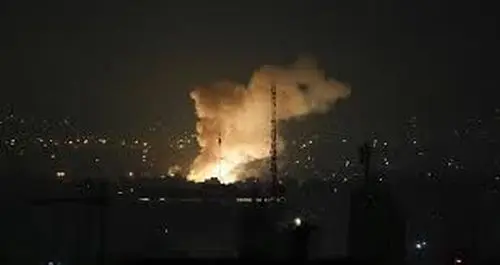
For weeks, anxiety ruled the valley. People whispered the same question everywhere: What will happen to us in 2026 if Almighty Allah does not bless us with snow in Chilai-Kalan? Springs stood silent, ponds cracked open, and rivers like the Jhelum lost their voice. Lakes waited helplessly for revival. Even forest fires appeared in the heart of winter, something once unthinkable. Scientifically, prolonged dry winters disturb the hydrological cycle, weaken glaciers, and threaten the long-term water security of the entire region. But for common people, the danger was simpler and deeper, fear of survival.
Chilai-Kalan is not only a season; it is the backbone of Kashmir’s climate system. Minus temperatures freeze snow on mountain peaks, forming glaciers that slowly release water through summer and nourish our rivers, fields, and orchards. Without this frozen reservoir, Kashmir’s future trembles. Yet this year, the signs were alarming. Apple and almond trees prepared to bloom too early, a biological warning of climatic imbalance. Water pipes did not freeze. Lakes did not shine. People began saying with sorrow that Kashmir was turning into Punjab.
Children asked where the snow had gone. Elders recalled winters of the past. Farmers feared for their crops. Teachers worried about future generations. From mosques to homes, prayers rose silently: Ya Allah, return our winter.
And then, when disappointment had reached its peak, nature changed its language. On the night of 22nd January, powerful western disturbances entered the valley. Winds howled at frightening speeds. News channels spoke of storms and danger. Fear once again knocked at every door. But nature was preparing a gift hidden behind the storm.
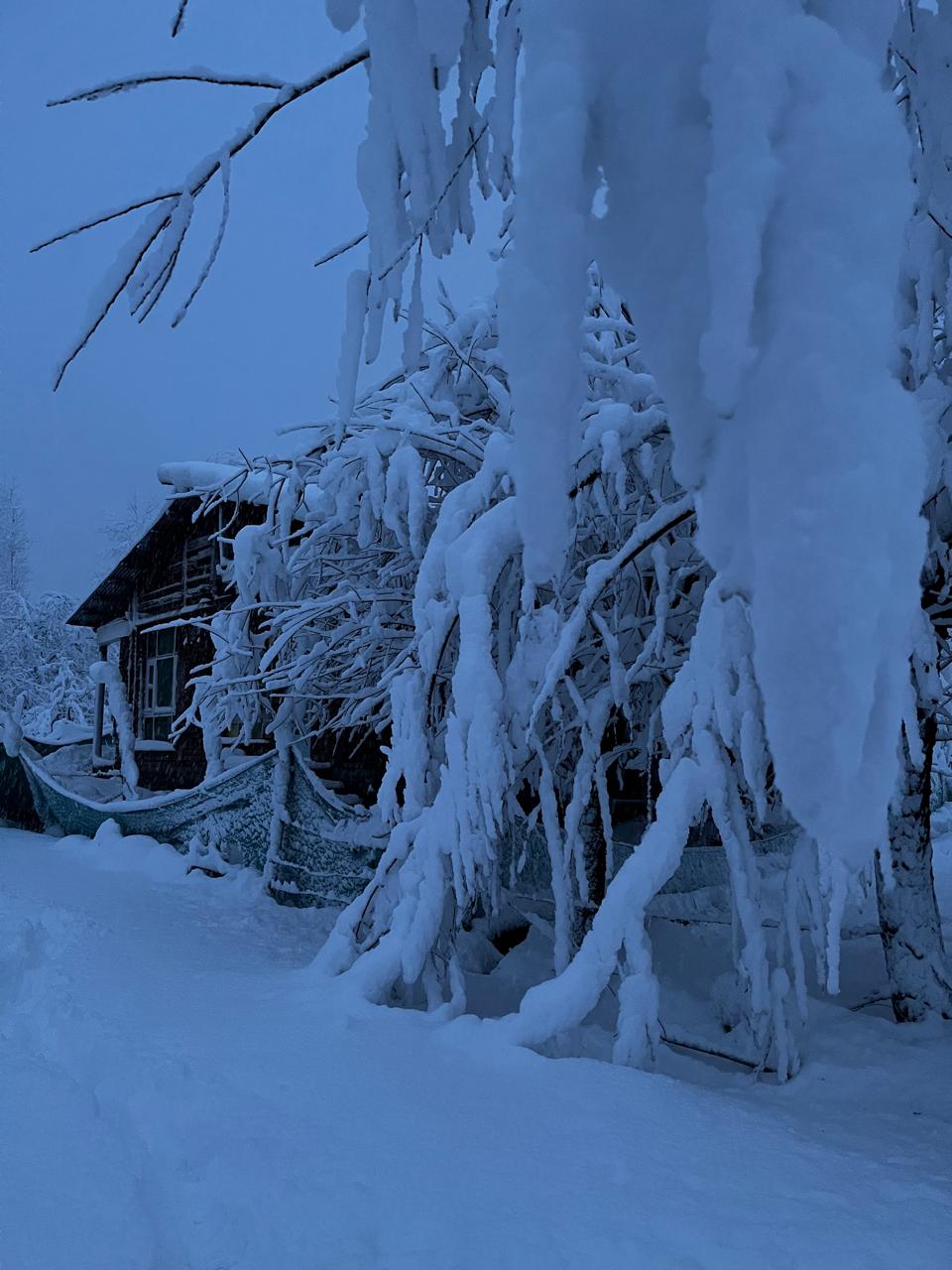
At dawn on 23rd January 2026, Kashmir awakened to a miracle. Mountains, rooftops, trees, roads — everything lay beneath a sacred white blanket. It was not merely snowfall; it was relief, renewal, and reassurance. Without waiting for breakfast or nun chai, people stepped outside, hands raised, whispering Alhamdulillah. Smiles returned to tired faces. Strangers greeted each other with warmth. For a moment, the entire valley breathed together.
Children ran into the snow as if embracing an old friend. Elders watched silently, eyes moist with gratitude. Social media filled with falling flakes and shining valleys. News channels shifted from warnings to celebration. Snow artists dreamed again. Orchards rested peacefully, protected from premature blooming. Rivers began to gather strength.
Scientifically, this snowfall meant groundwater recharge, glacier nourishment, pest control, and ecological balance. Emotionally, it meant hope. Spiritually, it meant mercy. Humanely, it reminded us how fragile our dependence on nature truly is.
This snowfall did not only cover Kashmir in white, it washed our fears, healed our anxiety, and returned faith to our hearts. In an age of climate uncertainty, it reminded us that beyond science and struggle, there is still divine wisdom guiding the rhythm of seasons.
Indeed, happiness had not disappeared. It was only waiting to return with the first falling snow.
The author is a teacher and columnist focused on education, ethics, and emerging social challenges in the digital age.