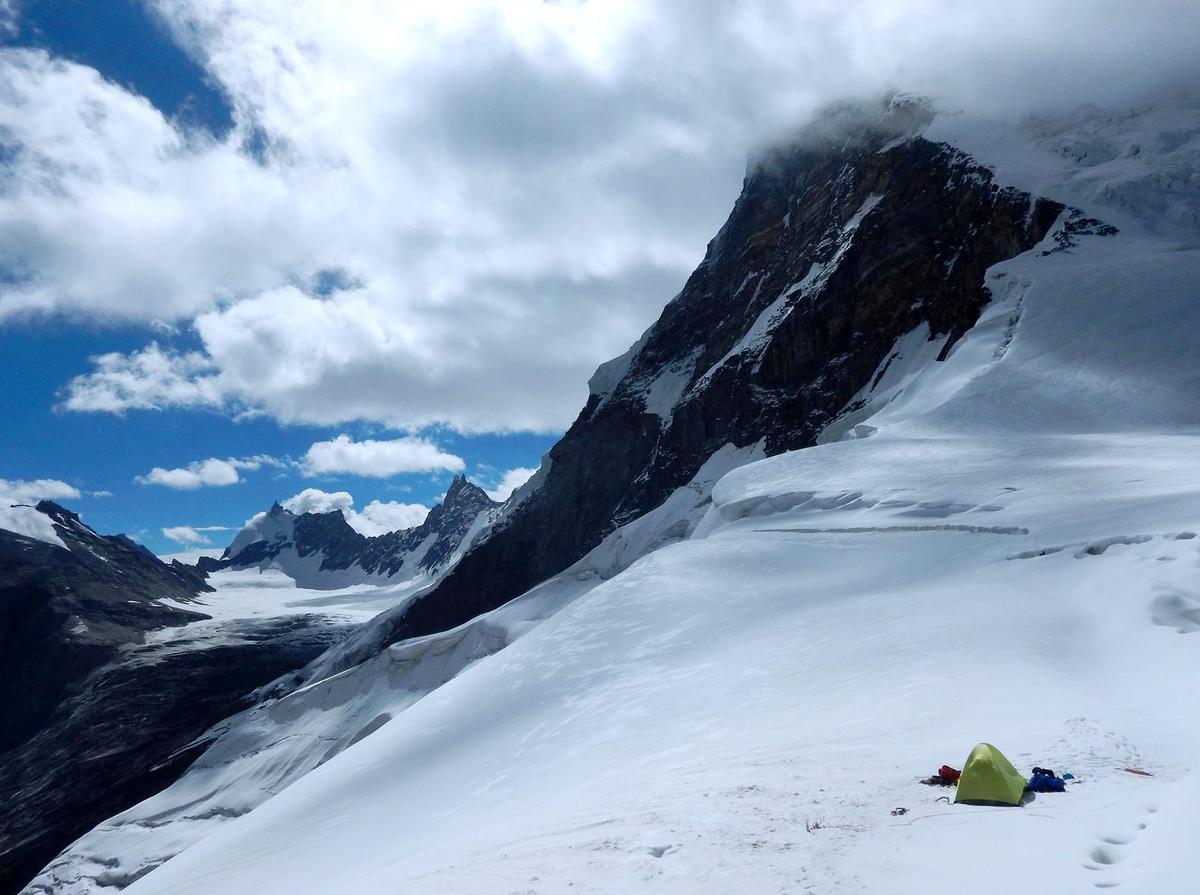
Glaciers are a crucial component of the Earth’s climate system, providing freshwater resources for billions of people and regulating global temperatures. However, rapid climate change has accelerated glacial melt, leading to dire consequences for ecosystems, water supply, and sea levels. As global efforts intensify, 2025 has been declared the International Year of Glaciers’ Preservation by the United Nations, aiming to raise awareness and drive policy action to mitigate glacier loss.
The Current State of Glacial Decline
Scientific studies indicate that glaciers worldwide are retreating at unprecedented rates. The State of the Cryosphere 2024 Report warns that the current trajectory of ice loss could result in severe global economic and environmental impacts. Glaciers in Switzerland, for instance, have lost 10% of their total volume in just two years (2022–2023), marking one of the most alarming declines in recorded history. Similarly, the World Meteorological Organization (WMO) has reported that between 2021 and 2022, Swiss glaciers alone experienced a 6% loss in ice volume, a trend expected to continue in the absence of urgent intervention.
Impacts on Water Resources and Communities
Glacier retreat directly affects the hydrological cycle, reducing freshwater availability for millions. Glacial melt contributes significantly to rivers and water supplies, particularly in mountain regions such as the Himalayas and the Andes. If the current trend continues, many communities will face water scarcity, disrupted agriculture, and hydropower shortages.
A case study from the NATURICE Project, which examines the societal impacts of glacial melt, found that communities in Ladakh, India, have resorted to constructing “ice stupas”—man-made ice towers that store water in winter for agricultural use in summer. These traditional coping strategies highlight the urgent need for global adaptation measures to ensure water security in glacial regions.
WATER SCARCITY EMERGES
Communities Face an Uncertain Future
Much of the world depends on glacier meltwater for drinking supplies, agriculture, and hydropower. As glaciers shrink, the rhythm of water availability becomes unstable.
Floods, droughts, and unpredictable melt patterns now challenge communities that once relied on steady glacial flow.
In Ladakh, local ingenuity has led to the construction of “ice stupas,” man-made glaciers that provide crucial summer water. These creative solutions reflect both the adaptability and vulnerability of mountain communities on the frontline of climate change.
Steps Taken by Global Communities
The global community has initiated several strategies to address glacier loss. The establishment of the International Year of Glaciers’ Preservation (2025) and the World Day for Glaciers is one such step, raising awareness and ensuring glaciers are treated as part of the planet’s natural heritage. Research collaborations, such as those under the World Glacier Monitoring Service (WGMS), have improved data collection and understanding of glacier dynamics. Additionally, cross-border initiatives in the Alps, Andes, and Himalayas have strengthened cooperation on water-sharing agreements and disaster preparedness.
Technological interventions, including artificial glacier creation and reflective coverings to slow melt, have been piloted in regions such as the Himalayas. Moreover, climate agreements like the Paris Agreement have indirectly contributed to glacier preservation by committing nations to reduce greenhouse gas emissions. While these measures have not halted glacier retreat, they have increased resilience in vulnerable communities, improved scientific monitoring, and slowed the rate of water scarcity impacts in certain regions.
Examples of Progress
In Switzerland, glacier monitoring programs led by ETH Zurich and the Swiss Federal Institute for Forest, Snow and Landscape Research (WSL) have provided precise data that inform climate policies and water management strategies. In Peru, the Glaciares+ Project has supported local communities in adapting to glacier retreat by building early-warning systems for glacial lake outburst floods and creating new irrigation techniques for farmers. Meanwhile, in Ladakh, India, over 50 functional ice stupas have been constructed since 2014, providing critical water for thousands of villagers during dry summer months. These examples demonstrate that community-led innovation, supported by global research and policy, can make a tangible difference.
The Path Forward
Global Call to Action
As the world marks 2025 as a turning point, the message is clear: glacier preservation must become a global priority. Nations must:
- Strengthen climate commitments
- Invest in scientific monitoring
- Support communities in high-risk mountain regions
- Expand adaptation programs
- Reduce emissions driving rapid warming
The survival of the world’s glaciers will depend on the choices made now.
Glacier preservation is no longer just an environmental concern—it is a matter of global survival. The rapid loss of ice threatens freshwater availability, disrupts ecosystems, and accelerates sea level rise. While international efforts provide hope, stronger policy commitments and technological innovations are needed to ensure long-term sustainability. Governments, scientists, and communities must collaborate to implement sustainable solutions, from reducing carbon emissions to investing in glacier monitoring and protection programs.
Only through immediate and coordinated action can we safeguard the world’s glaciers and secure the future of the billions who depend on them.
The writer is a Faculty of Mathematics, Department of General Education SUC, Sharjah, UAE. Email: reyaz56@gmail.com