By: Dr. Owvass H. Dar
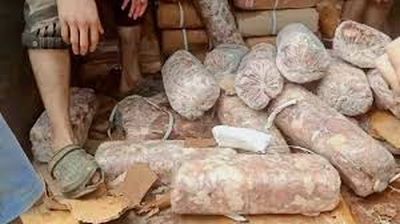
As the Food Safety Department has been carrying out drives against rotten chicken, meat, and undercooked pre-processed items like ristas and kebabs, the process has created a much-needed sense of fear among those dealing in such substandard food items. Many are now discarding spoiled chicken and meat on their own.
However, this disposal is often being done by throwing the rotten meat into water bodies, which creates a new threat—polluting our rivers and lakes, degrading water quality, and harming aquatic life.
We have seen that frozen meat or chicken is stored without a proper cold chain (continuous refrigeration or freezing) and some unscrupulous sellers resort to illegal chemical treatments to slow down spoilage and mask decay. These substances usually make meat look fresh and smell “natural” for a short period, but they usually do not stop bacterial growth. They leave behind toxic residues which can cause serious short- and long-term health problems, including cancers—especially stomach cancers, colon cancers, and others.
One of the most common is formalin (a solution of formaldehyde), which delays decomposition and keeps meat deceptively fresh, but is a potent toxin and a proven cancer-causing agent. Sodium metabisulfite and sodium sulfite are sometimes used to bleach meat and prevent browning; while they improve appearance, they can trigger severe allergic reactions, asthma, and destroy vitamin B1 in food.
Borax is misused to give meat a firmer texture and slow decay, yet it is toxic to the kidneys and reproductive system with repeated exposure, and can lead to both male and female infertility. Some sellers use ammonia solution to mask the foul smell of rotten meat, which can irritate the eyes, skin, and respiratory tract, and cause long-term lung damage.
Nitrites, when used far beyond legal curing limits, help maintain a bright pink colour but can reduce the blood’s oxygen-carrying capacity and have been linked to stomach and colon cancers. While these chemicals may temporarily improve the look and smell of meat, they do nothing to stop dangerous bacteria from multiplying, thereby leading to food poisoning, acute gastroenteritis, diarrhoea, and their chemical residues can cause serious, long-term health problems.
Safe Practices for Consumers
Always prefer to buy meat from your local meat sellers whom you know. Whenever you eat meat products at any restaurant, ask for bills to identify source of meat supply and check expiry dates, if frozen meat used in cooking.
Buy meat from vendors with verified cold chain storage and avoid meat stored at room temperature for extended periods, no matter how appealing it looks. Washing meat may reduce surface contamination but cannot remove absorbed chemicals.
Remember, in India, using formalin, borax, or high-dose sulfites on fresh meat is illegal.
Recommendations to the Food Safety Department of J&K
While recent actions are laudable, sustained, systematic measures are required:
- Frequent Surprise Inspections – Not just during special drives; make them monthly or fortnightly in markets, butcher shops, and restaurants.
- Random Sampling and Lab Testing – Collect and test meat samples regularly for chemical adulteration and bacterial contamination.
- Public Display of Test Results – Publish names of offenders in local media to deter malpractice.
- Proper Disposal Protocols – Ensure confiscated meat is disposed of in deep burial pits or incinerators—not in water bodies.
- Mandatory Cold Chain Verification – Only licensed vendors with approved refrigeration facilities should be allowed to sell meat.
- Fixed Hygiene and Quality Standards in Restaurants – Mandatory temperature control for storage and cooking of meat.
- Fixation of Fair Prices – Regularly review and fix prices of chicken, mutton, and meat products in restaurants and butcher shops to discourage the use of substandard material for profit.
- Training and Awareness for Vendors – Educate meat handlers on legal storage and handling methods.
- Whistleblower Helpline – Create a confidential number for the public to report suspected illegal meat handling.
- Link Food Safety to Public Health Surveillance – Coordinate with hospitals to track and investigate clusters of food poisoning and GI cancers.
A Public Health Alarm
The incidence of cancer in Kashmir has reached alarming levels—there is hardly a village, locality, or mohalla left untouched. As a Radiologist, I am deeply concerned; on most days in the Department of Radiology at GMC Anantnag, we diagnose at least one or two new cancer patients on ultrasound or CT scans. This troubling pattern compels us to question the underlying causes of such a steep rise.
While environmental factors, lifestyle changes, and dietary habits may all play a role, one preventable contributor could be the consumption of pre-cooked, pre-processed food items and other unsafe foods. Rotten meat treated with carcinogenic chemicals to mask spoilage is not merely a matter of food hygiene—it could be silently fueling this crisis.
The epidemic of cancers in our valley warrants urgent, large-scale research backed by strong logistics. Meanwhile, it is within our power to protect our near and dear ones through awareness and by promoting safer, fresher dietary choices. Food safety is not just about avoiding a bad meal—it is about saving lives and preventing a public health disaster.
The writer is Consultant Radiologist, GMC Anantnag