New Delhi: Congress MP Mohammad Jawed and AIMIM president Asaduddin Owaisi on Friday challenged the validity of the Waqf (Amendment) Bill, 2025 in the Supreme Court, saying it violated constitutional provisions.
Jawed’s plea alleged the bill imposed “arbitrary restrictions” on Waqf properties and their management, undermining the religious autonomy of the Muslim community.
The petition, filed through advocate Anas Tanwir, said the proposed law discriminated against the Muslim community by “imposing restrictions that are not present in the governance of other religious endowments”.
Owaisi’s plea was filed by advocate Lzafeer Ahmad.
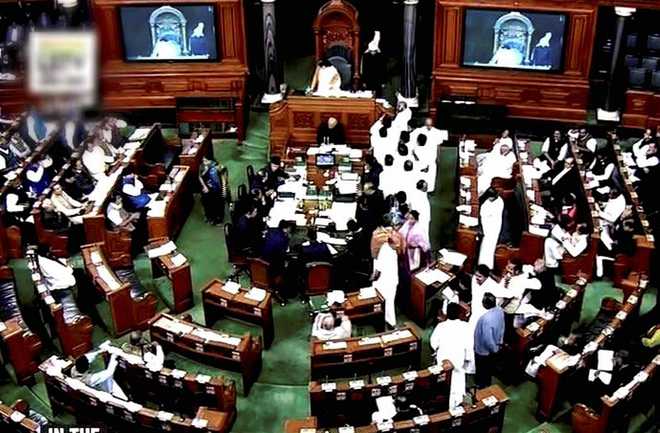
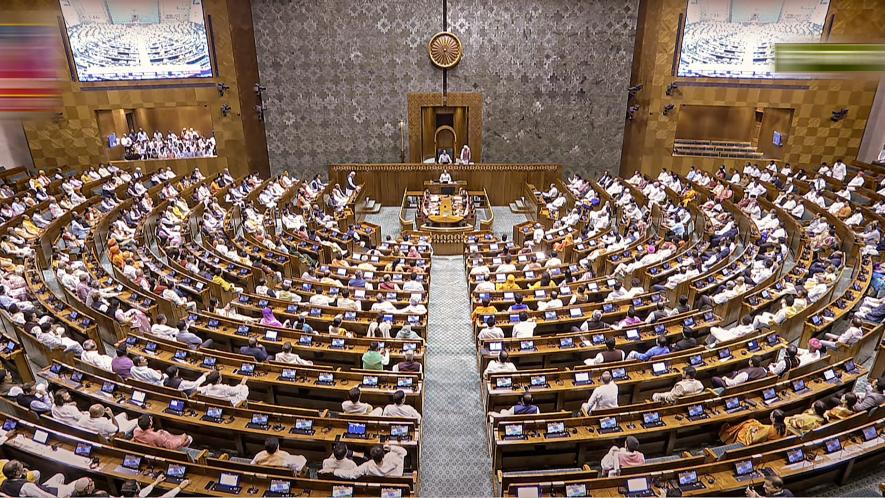
The bill was passed in the Rajya Sabha with 128 members voting in favour and 95 opposing it. It was passed in the Lok Sabha early April 3 with 288 members supporting it and 232 against it.
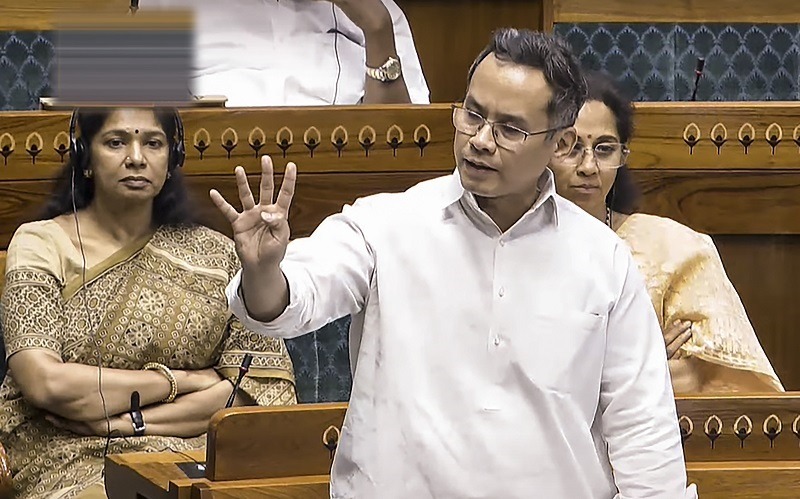
Jawed, a Lok Sabha MP from Kishanganj in Bihar, was a member of the Joint Parliamentary Committee on the bill and alleged in his plea that the it “introduces restrictions on the creation of Waqfs based on the duration of one’s religious practice”.
“Such a limitation is unfounded in Islamic law, custom or precedent and infringes upon the fundamental right to profess and practice religion under Article 25,” it said.
The plea claimed the restriction discriminated against persons who had recently converted to Islam and wish to dedicate property for religious or charitable purposes, thereby violating Article 15 of the Constitution.
Article 15 deals with prohibition of discrimination on grounds of religion, race, caste, sex or place of birth.
The plea said an amendment to the composition of the Waqf Board and the Central Waqf Council mandated inclusion of non-Muslim members in Waqf administrative bodies, which was an “unwarranted interference” in religious governance unlike Hindu religious endowments, which remain exclusively managed by Hindus under various state enactments.
“This selective intervention, without imposing similar conditions on other religious institutions, is an arbitrary classification and violates Articles 14 and 15,” it said.
It said the enhanced role of state authorities in Waqf administration impinged on the right of Muslim community to manage its institutions.
The bill shifts key administrative functions, such as the power to determine the nature of Waqf properties, from the Waqf Board to the district collector, the plea said.
“This transfer of control from religious institutions to government officials dilutes the autonomy of Waqf management and contravenes Article 26(d),” it said.
The plea said the proposed law also modified the process of dispute resolution by altering the composition and powers of the Waqf tribunals.
“It reduces representation of individuals with expertise in Islamic law, influencing the adjudication of Waqf-related disputes,” it said.
The plea claimed this change disproportionately affected willingness to resort to legal recourse through specialised tribunals, in contrast to the robust protections provided to other religious institutions under their respective endowment laws.
“These amendments undermine property rights protected under Article 300A,” it alleged.
By expanding state control over Waqf assets, the plea said, it limited the ability of persons to dedicate property for religious purposes.
Subjecting Waqf properties to heightened scrutiny, the bill goes against the apex court’s 1954 decision which held that transferring control of religious property to secular authorities was an infringement of religious and property rights.
The plea claimed the bill omitted the concept of “Waqf-by-user”.
The doctrine of “Waqf-by-user” was duly affirmed in the apex court’s verdict in the Ram Janmabhoomi-Babri Masjid dispute case of Ayodhya, it added.
The plea said the verdict held that a property may attain status of Waqf through long-standing religious use.
By removing this provision, the bill disregards established legal principles and limits the ability of the Waqf Tribunal to recognise properties as Waqf based on historical usage, violating Article 26 which guarantees religious denominations the right to manage their own affairs, it added.