By: Sadaket Malik
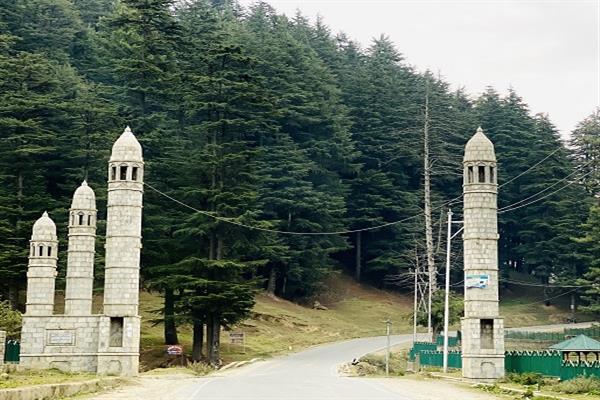
Padder is nestled in the heart of the greater Himalayan range, contributing to its breathtaking landscapes and distinct geographical features. The region shares borders with Zanskar to the north, Himachal Pradesh to the east, and Marwah-Wadwan to the west. The high-altitude sapphire mines of Padder are renowned globally, adding an economic dimension to the region’s significance.
Within the broader Paddar region, there are several smaller valleys, each with its own unique characteristics. These include Machail, Gandhari, Kabban, Ongai, Bhuzunu, Barnaj, Bhuzas, KijaiNallah, and Dharlang, among others. Each of these valleys likely contributes to the overall cultural and ecological diversity of the Paddar region.
One distinctive feature of Paddar is its association with Sapphire mines. Although the Sapphires are located in the Paddar valley within the Jammu division, they are often referred to as Kashmiri sapphires, which might be considered a misnomer.
Traditional Padri dress includes specific attire for both men and women. Women wear Chadar (Pattu) and Joji, while men don Kamri(Chola), Sutad (lower garment), and Toot (traditional Padderitopi), completing the distinctive and traditional clothing style of Paddar. This blend of music, dance, religious practices, and traditional attire reflects the unique and rich cultural tapestry of the Paddar.
The Padder Valley, known as the Machael Valley to some, unfolds a captivating narrative of its history, woven by the diverse threads of various communities. Approximately 500 years ago, the valley remained largely unsettled, a tranquil landscape awaiting the arrival of the chapters that would shape its destiny. The turning point came in the 1830s with the arrival of General Zorawar Singh in Gulabgarh, a historical event that marked the renaming of the village in honor of Raja Gulab Singh of Jammu.
During General Zorawar Singh’s time, the valley was home to around 500 families, comprising approximately 3,000 individuals. Animists, Hindus, and Buddhists coexisted, forming the cultural foundation of the region. Notably, Muslims entered the valley some sixty years ago, migrating from Kishtwar and establishing themselves predominantly in the lower reaches, including settlements like Kijaie and Atholi. Over the past century, the Muslim population has seen significant growth, a testament to both migration patterns and expanding families. Meanwhile, Muslim Gujjars utilize the high-elevation summer pastures, returning to Jammu in the autumn.
The upper elevations of the valley were historically inhabited by Buddhists who migrated from regions as distant as Ladakh, Zanskar, and even eastern Tibet. In recent times, a noteworthy shift has occurred as many Buddhists have moved down to Gulabgarh, becoming a substantial portion of the town’s population.
The landscape itself offers echoes of the past, with ancient springs bearing stone carvings and trailside engravings acting as silent witnesses to bygone eras. Villagers attribute some of these carvings to the Pandavas from the times of the Vedas and epics, creating a tangible link to ancient mythology. The Machael Temple, standing proudly for five centuries, adds another layer to the valley’s history, its construction traced back to a moment when Desrajji’s forefathers received darshan from ChandiMatha, the temple goddess.
Cultural exchange, marriage, and trade have been enduring elements throughout the valley’s history, particularly with neighboring regions like Zanskar. The communication between these communities has created a rich tapestry of traditions and shared experiences.
Despite the deep roots, a veil of mystery shrouds the origins of many villagers. Stories have been lost over time, and while some unverified tales hint at connections to Rajasthan, the true diversity of the people’s roots remains a captivating enigma.
The Padder Valley stands as a testament to the convergence of Animist, Hindu, Buddhist, and Muslim cultures, each contributing a unique hue to the vibrant tapestry that defines this picturesque landscape. The echoes of the past, embedded in stone carvings and ancient temples, invite us to explore and appreciate the rich history that has shaped the cultural mosaic of Padder Valley.
Padder Valley boasts a rich and ancient cultural heritage, with a distinct focus on serpent worship that echoes through its historical roots. The residents of ancient Paddar were predominantly serpent worshippers, and this tradition has left an indelible mark on the cultural fabric of the region.
In the realm of musical expression, the Hindu community in Padder employs traditional instruments like Dhoons (a traditional drum or dhol), nagaras, and flutes in temples. These instruments resonate with various ragas dedicated to different devtas, creating a melodic tapestry of religious and cultural significance. The rhythmic beats of the dhol, the resonant tones of the nagaras, and the soulful melodies of the flutes weave a musical ambiance that enhances the spiritual atmosphere within the temples.
A notable dance form that flourishes in Padder is Kharzath, a traditional dance performed in temples and during special occasions. This dance form is deeply rooted in the cultural practices of the region, reflecting the religious and celebratory spirit of the community. Temples dedicated to various Nagdevtas, or Serpent Gods, dot the landscape, adorned with intricate wood carvings depicting snakes of various kinds. These temples serve as both religious sanctuaries and architectural marvels, preserving the cultural heritage of serpent worship.
The majority of the population in Padder identifies as Pahari Hindus, contributing to a cultural tapestry that shares similarities with neighboring regions such as Pangi in Himachal Pradesh and Bhaderwah. The cultural expressions find resonance in numerous folk songs and lores known as sugli, narrating the tales and traditions passed down through generations.
The traditional attire of the Padderi people is a visual embodiment of their cultural identity. Women adorn Chadar (Pattu) and Joji, while men wear Kamri (Chola), Sutad (lower garment), and Toot (traditional Padderitopi). These traditional garments serve as not just clothing but as symbolic representations of the rich cultural heritage that has shaped the identity of the Padder Valley.
In essence, the cultural mosaic of Padder is a harmonious blend of religious rituals, traditional music, captivating dance forms, and distinctive attire. This cultural richness, deeply rooted in serpent worship and Pahari Hindu traditions, stands as a testament to the enduring heritage of the Padder Valley.