

By: Marij Zahoor Ganaie
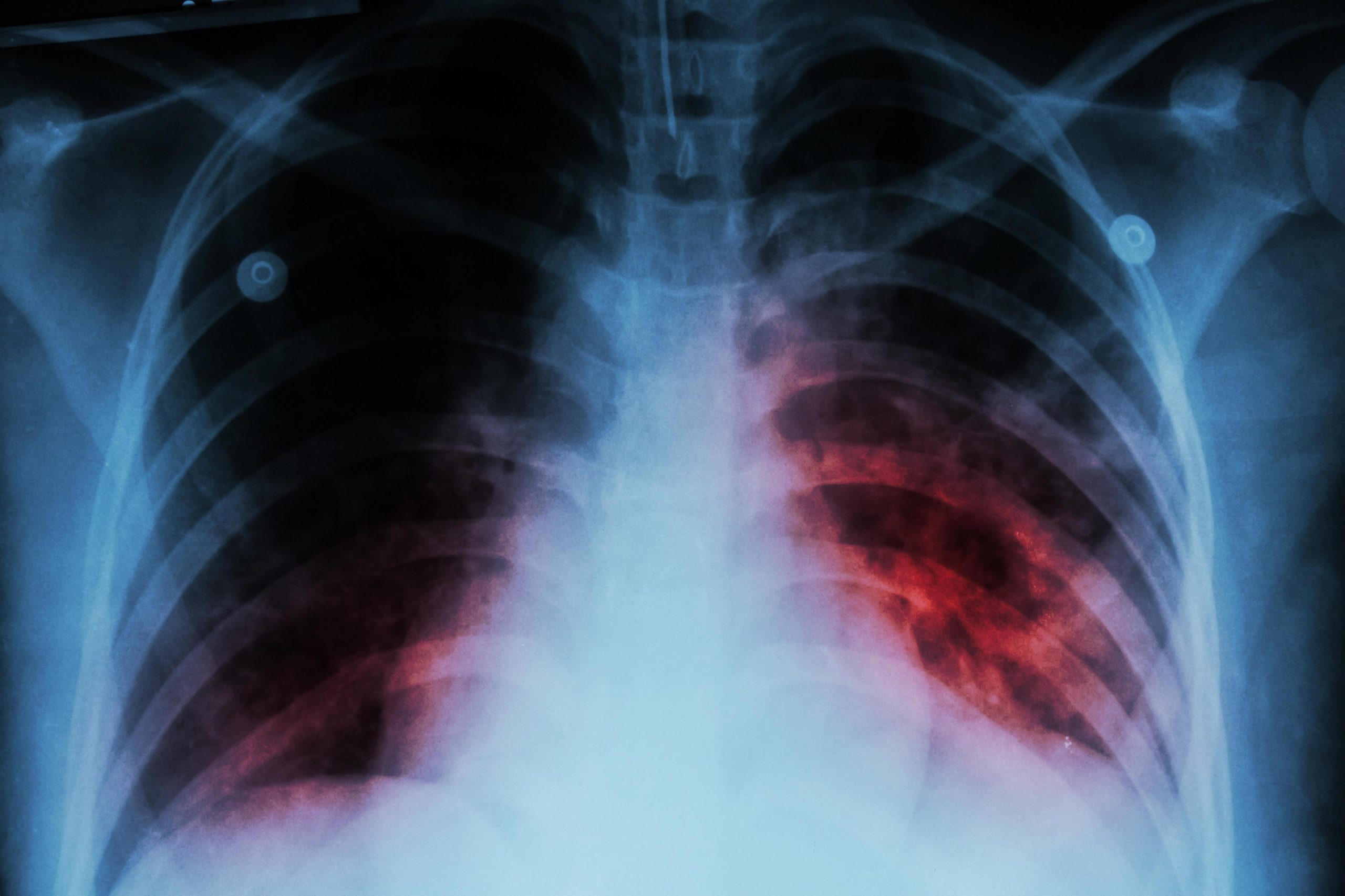
Tuberculosis, commonly known as TB, is a bacterial infection that primarily affects the lungs. It is caused by the bacterium Mycobacterium tuberculosis. TB can also affect other parts of the body such as the brain, kidneys, or spine, although this is less common.TB spreads through the air when an infected person coughs, sneezes, or speaks. It is a highly contagious disease and can be easily transmitted from person to person and can cause a range of symptoms including coughing, fever, fatigue, weight loss, night sweats, and chest pain.
The disease can be treated with a combination of antibiotics over a period of several months. Treatment is crucial to prevent the spread of the disease and to prevent it from becoming more severe. In some cases, TB may be resistant to certain antibiotics, making it more difficult to treat. Vaccines are also available to prevent TB, although they are not widely used in many parts of the world.
Tuberculosis is a major global health concern, and India bears a significant burden of TB cases. Kashmir, a region in northern India, has also been affected by TB, and the Government of India (GoI) has taken various initiatives to eradicate TB in the region.
In this article, we will explore the efforts made by the GoI to combat TB in Kashmir, with a focus on the period since the year 2000. We will discuss the objectives of these initiatives, the strategies employed, and the progress made in TB eradication in Kashmir.
Objective:
The primary objective of the GoI’s initiatives to eradicate TB in Kashmir is to reduce the prevalence of TB in the region and ultimately eliminate TB as a public health problem. Specifically, the GoI aims to achieve the following objectives:
- Improve TB diagnosis and treatment: The GoI has focused on increasing access to quality diagnostic tools and effective treatment for TB in Kashmir. This includes establishing TB diagnostic and treatment centers, upgrading existing healthcare facilities, and providing training to healthcare personnel on TB management.
- Enhance TB awareness and education: The GoI has conducted extensive awareness campaigns to educate the general population about TB, its causes, symptoms, and the Importance of early diagnosis and treatment. These campaigns have included public health messages through various media channels, community engagement programs, and school-based education programs.
- Strengthen TB surveillance and reporting: The GoI has implemented measures to strengthen TB surveillance and reporting systems in Kashmir. This includes establishing a robust system for monitoring TB cases, tracking treatment outcomes, and reporting data to national and international TB programs for better disease surveillance and response.
- Address social determinants of TB: The GoI recognizes that social determinants such as poverty, malnutrition, overcrowding, and inadequate healthcare infrastructure contribute to the spread of TB in Kashmir. Therefore, the GoI has Initiated programs to address these social determinants, such as providing nutritional support to TB patients, improving living conditions in vulnerable communities, and strengthening healthcare infrastructure in remote areas.
Strategies Employed:
To achieve these objectives, the GoI has implemented several key strategies in its efforts to eradicate TB in Kashmir:
- Directly Observed Treatment, Short-course (DOTS): DOTS is the internationally recommended strategy for TB control, and it has been implemented in Kashmir. Under DOTS, TB patients are provided with free anti-TB drugs, and treatment is directly observed by trained healthcare workers to ensure adherence to the full course of treatment. This strategy has been instrumental in improving treatment outcomes and reducing TB transmission in Kashmir.
- Public-Private Mix (PPM) approach: The GoI has adopted the PPM approach to engage the private sector in TB control efforts in Kashmir. Private healthcare providers are trained to diagnose and treat TB cases according to national guidelines, and they are encouraged to report TB cases to the national TB program for proper monitoring and management. This has increased access to TB diagnosis and treatment in the private sector, which is an important source of healthcare in Kashmir.
- Capacity building and training: The GoI has provided extensive training to healthcare personnel in Kashmir on TB diagnosis, treatment, and management. This includes training on the use of diagnostic tools, such as GeneXpert machines for rapid TB testing, and capacity building of healthcare workers to manage drug-resistant TB cases. Training has also been provided to community health workers and volunteers to raise awareness about TB in the community and improve case detection.
- Advocacy and social mobilization: The GoI has conducted advocacy and social mobilization campaigns to raise awareness about TB and reduce stigma associated with the disease in Kashmir. This includes engaging local leaders, religious institutions, and civil society organizations to promote
Steps needed by our administration:
Tuberculosis has not yet been fully eradicated though significant progress has been made in reducing its burden and improving TB control measures in Srinagar, the capital city of the Indian union territory of Jammu and Kashmir. Let’s explore the efforts that have been made in Srinagar to control TB:
- Improved TB diagnosis and treatment: The Government of India (GoI), in collaboration with the Jammu and Kashmir government, has established TB diagnostic and treatment centers in Srinagar, equipped with modern diagnostic tools such as GeneXpert machines for rapid TB testing. These centers provide free diagnosis and treatment services to TB patients, including access to quality anti-TB drugs and regular monitoring of treatment outcomes.
- Implementation of DOTS strategy: The DOTS (Directly Observed Treatment, Short-course) strategy, which is the internationally recommended approach for TB control, has been implemented in Srinagar. Under DOTS, TB patients receive directly observed treatment by trained healthcare workers to ensure adherence to the full course of treatment. This has improved treatment outcomes and reduced the development of drug-resistant TB in Srinagar.
- Public-Private Mix (PPM) approach: The PPM approach has been implemented in Srinagar to engage the private sector in TB control efforts. Private healthcare providers in Srinagar are trained to diagnose and treat TB cases according to national guidelines, and they are encouraged to report TB cases to the national TB program for proper monitoring and management. This has increased access to TB diagnosis and treatment in the private sector.
- Capacity building and training: Extensive training has been provided to healthcare personnel in Srinagar on TB diagnosis, treatment, and management. This includes training on the use of diagnostic tools, management of drug-resistant TB, and counseling for TB patients. Community health workers and volunteers have also been trained to raise awareness about TB in the community and improve case detection.
- Awareness campaigns and social mobilization: The GoI, in collaboration with local authorities and civil society organizations, has conducted awareness campaigns to educate the general population in Srinagar about TB, its causes, symptoms, and the importance of early diagnosis and treatment. These campaigns have included public health messages through various media channels, community engagement programs, and school-based education programs. Efforts have also been made to reduce stigma associated with TB and promote a supportive environment for TB patients in Srinagar.
- Enhanced surveillance and reporting: TB surveillance and reporting systems have been strengthened in Srinagar. This includes establishing a robust system for monitoring TB cases, tracking treatment outcomes, and reporting data to national and international TB programs for better disease surveillance and response. This has helped in early detection and prompt management of TB cases in Srinagar.
It’s Important to note that TB eradication is a complex and long-term process that requires sustained efforts, and complete eradication has not been achieved in Srinagar or any other region. However, the GoI and local authorities in collaboration with various stakeholders have made significant progress in controlling TB in Srinagar through improved diagnosis and treatment, implementation of TB control strategies, capacity building, awareness campaigns, and addressing social determinants of TB. Efforts are ongoing to further strengthen TB control measures in Srinagar and achieve the goal of TB eradication in the region.
The author is Public health Expert and Researcher at GD Goenka University, Gurugram, and can be reached marijzahoor040@gmail.com


