

By: Dr. Amit Nath Misra
There has been a significant rise in joint injuries in the recent past with people injuring their knees, spine, shoulders, and wrists on a regular basis. As these are the primary parts we use for protection against anything, these are the ones at the most exposure. Along with injuries and road accidents, there are many different diseases which can also affect the joints, hindering their functioning and making Early and prompt treatment of the utmost importance.
What is Arthroscopy
Arthroscopy is one of the most commonly used procedures in treating joint bones issues, and although the procedure is primarily used to look inside a joint bone and as a diagnostic test, Arthroscopy is often used in treating joint problems through surgery. The most commonly affected areas/joints treated by Arthroscopy are the Knees, Shoulder, Elbow, Ankle, Hip and Wrist.
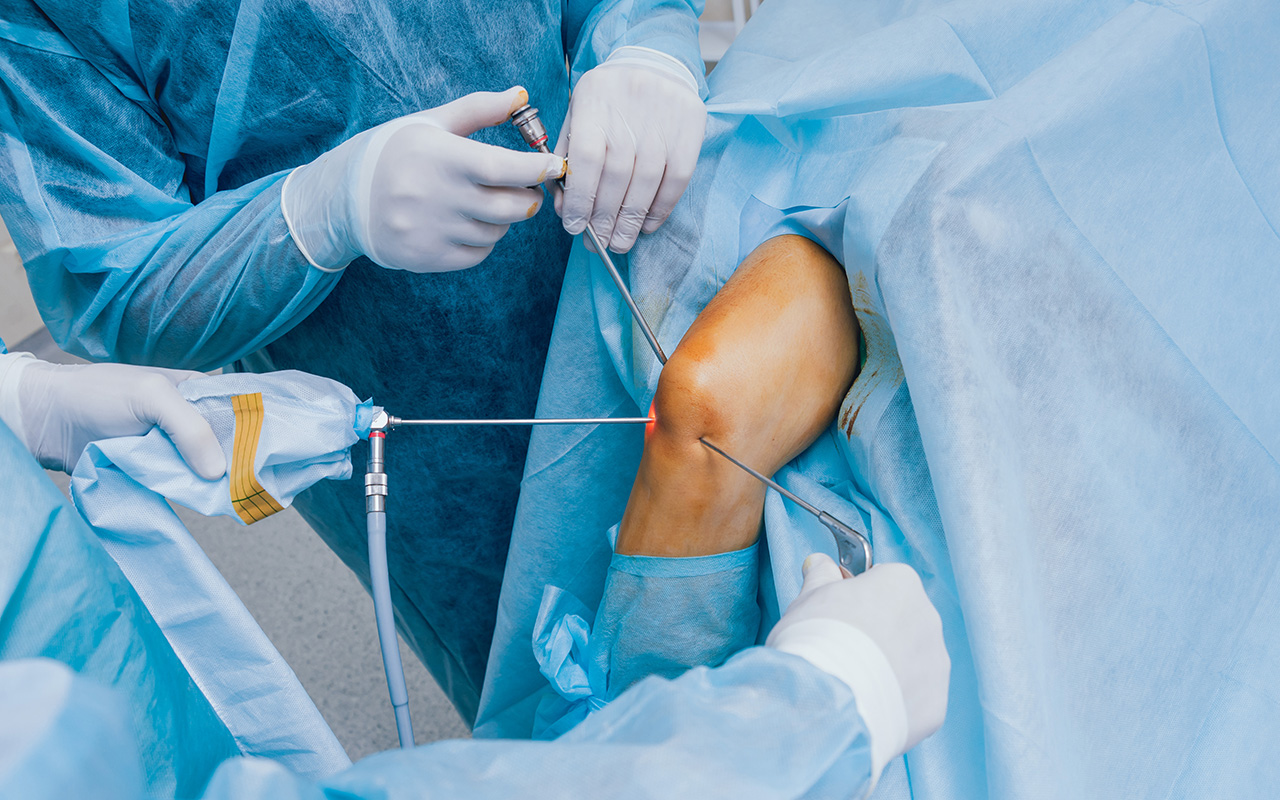
Surgeons insert a narrow tube attached to a fiber-optic camera through a small keyhole size incision to view the inside of the joint on a high-definition video monitor. The procedure allows the surgeons to see inside the joint without making any large incision and also repair some types of joint injuries during arthroscopy, with the help of small straw-thin surgical instruments.
Conditions diagnosed/treated with Arthroscopy
Arthroscopy helps in diagnosing a variety of conditions including inflammation in the lining of the joint or in some cases injuries like rotator cuff tendon tears, impingement syndrome, and recurrent dislocations in the shoulder along with Meniscal (cartilage) tears, chondromalacia (wearing or injury of cartilage cushion), and ACL (anterior cruciate ligament) tears with instability in the knee.
Patients with conditions like injured or damaged meniscus, cartilage, tendons and ligaments are treated with Arthroscopy when other forms of treatment like braces, splints, medications and physical therapy doesn’t provide relief to the patient.
Advantages of Arthroscopy
In the recent past, Arthroscopy procedures have drawn a lot of attention due to being frequently used to treat famous sports persons but it has also become a useful procedure for all orthopaedic patients because of the procedure being typically less traumatic for the patient than an open surgery.
Arthroscopy procedures induce less pain on the patients while making the recovery process quicker. Being such a small incision surgery, the need for bandages and surgical dressing is also very limited. While the pain is less, the proper functioning of any joint undergoing Arthroscopy could take weeks to return. Most arthroscopic surgery patients are outpatients and able to go home several hours after the procedure.
Complications/Risks of Arthroscopy
While it is one of the safest procedures and the chance of complications is extremely rare in Arthroscopy procedures. But some complications can include infection, damage to the blood vessels or nerves, blood clots and excessive bleeding or swelling, making contacting a specialist important as soon as one starts experiencing symptoms like fever, pain that gets worse, severe swelling, numbness or tingling and discoloured or smelly fluid seeping from wound.
What happens during the procedure?
Although each procedure varies according to the need of the patient, Arthroscopic surgeries tend to follow a similar pattern. The patient is given anaesthesia according to the need and then two or three small keyhole incisions are made to insert arthroscope and other tiny surgical instruments inside the body. Real-time live images are seen on the video monitor to examine joints, cartilage, ligaments and tendons which help in making a diagnosing or surgically treating the problem after which the arthroscope and other instruments are removed and the incisions closed with stitches and bandages.
What to do after the procedure
It is advised for patients to avoid lifting heavy weight or applying pressure on the surgical area for it to recover properly while icing and elevating the area regularly and wearing a sling or brace.
Although the procedure is less-invasive and patients are discharged within a few hours, post-operative diligent care is required for every patient having undergone Arthroscopy.
With the rapidly growing advancements in technology and in the field of science, new, less invasive modern techniques are being developed on the regular basis making surgeries less invasive and painful while also cutting down the recovery time for the same.
`


