

Dr Aditya Gupta
Parkinson’s disease is a progressive disorder of the nervous system that affects the body movement. It has a gradual progression and usually starts with no symptoms or barely noticeable ones in either hand. Usually tremor in hands may be enough to justify the prevalence of Parkinson’s but it can also be accompanied by stiffness or slowing down or reactive movements.
During the early stages face may show little or no expression, or arms may not swing when you walk, speech may become soft or slurred and the symptoms gets worsen as the disease progresses. In such situations it is important to consult an experienced neurologist immediately.
How to identify the symptoms?
Depending upon person the signs and symptoms may vary. Early signs may be mild and may go unnoticed. Symptoms often begin on one side of the body and usually remain worse on that side, even after symptoms begin to affect both sides.
Parkinson’s signs and symptoms may include tremors, slowed movements throughout the body, rigid muscles, impaired posture and balance, loss of automatic movements changes in speech and writing among many others.
What causes PD?
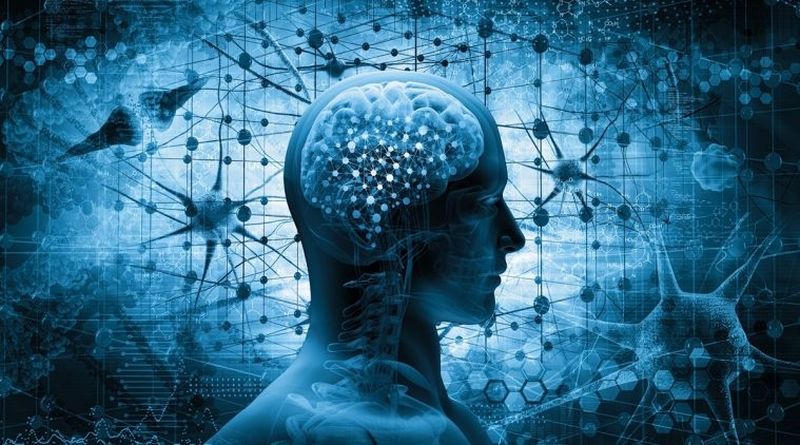
In Parkinson’s disease, certain nerve cells (neurons) in the brain gradually break down or die. Many of the symptoms are due to a loss of neurons that produce a chemical messenger in your brain called dopamine. When dopamine levels decrease, it causes abnormal brain activity, leading to signs of Parkinson’s disease.
The cause of Parkinson’s disease is unknown, but several factors appear to play a role, including:
- Genetic – family members with history of this disease are more prone to it.
- Environmental triggers – Exposure to certain toxins or environmental factors may increase the risk of later Parkinson’s disease, but the risk is relatively small.
Many changes occur in the brains of people with Parkinson’s disease, although it’s not clear why these changes occur. These changes include:
- The presence of Lewy bodies- Clumps of specific substances within brain cells are microscopic markers of Parkinson’s disease. These are called Lewy bodies, and researchers believe these Lewy bodies hold an important clue to the cause of Parkinson’s disease.
- Alpha-synuclein is found within Lewy bodies- Although many substances are found within Lewy bodies, natural and widespread protein called alpha-synuclein (A-synuclein). It’s found in all Lewy bodies in a clumped form that cells can’t break down.
Parkinson’s is treatable
In deep brain stimulation (DBS), surgeons implant electrodes into a specific part of your brain. The electrodes are connected to a generator implanted in your chest near your collarbone that sends electrical pulses to your brain and may reduce your Parkinson’s disease symptoms.
Deep brain stimulation is most often offered to people with advanced Parkinson’s disease who have unstable medication responses. DBS can stabilize medication fluctuations, reduce or halt involuntary movements (dyskinesias), reduce tremor, reduce rigidity, and improve slowing of movement.
DBS is effective in controlling erratic and fluctuating responses to medication for controlling dyskinesias that don’t improve with medication adjustments.
However, DBS isn’t helpful for problems that don’t respond to medication therapy apart from tremor. A tremor may be controlled by DBS even if the tremor isn’t very responsive to medication.
Why DBS is preferred over medications?
Medications are provided for temporary effect to subside the symptoms of PD. When a person is able to enjoy the effect of the medicine, it is known as on-phase and when it subsides its known as off-phase. Over a period of time the effect of the medicines on the body tends to stop and hence the frequency of medicine intake increases. If a patient is prescribed to take the medicine thrice a day, then due to the loss of effect, they might need it more than 8 times a day. This affects their quality of life as they tend to get on and off that many times.
What DBS does is that it provides a constant effect to the patient for 24 hours. It avoids dyskinesia that is it prevents the halting of involuntary movements. Moreover DBS doesn’t allow tremor fluctuations as in case of medicines. Medicines tend to end the effect unpredictably, and patients planning for their work or to go out for shopping may be at a risk of attack as the effect may subside any time which can impact their quality of life.
The writer is Director, Neurosurgery, Agrim Institute for Neuro sciences, Artemis Hospital.


