BY: Mudasir Nazir Wani
The human population is growing fast continuously, and now we are more than 7 billion people in the world. In addition, the global welfare has been improved in the last decades, which results in producing more of our resources and producing more wastes in the world. Waste management in urban areas has been on special focus for several reasons. However, according to the World Bank, still, 46% of the population in the world is living in the rural areas. It is therefore important to make a special attention to the waste management in the rural areas.
Solid waste management in rural areas is a key issue in developing and transitioning countries due to the lack of proper waste management facilities and services.
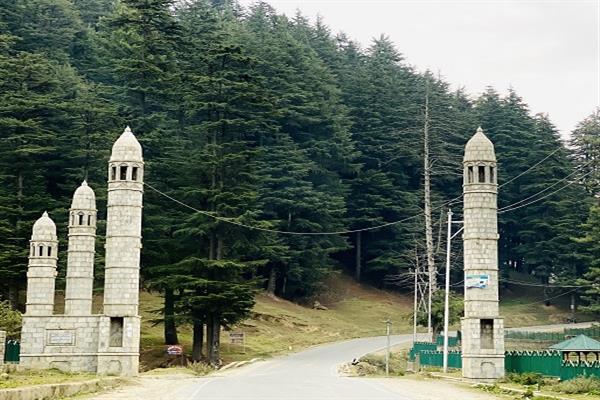
As far Jammu and Kashmir is concerned majority of our population is living in rural areas with fresh green and clean environment around us but our green and clean environment is degrading too fast and our surroundings are getting filled with waste particularly with non-biodegradable waste be it our lush green forests or our clean water streams running through various villages of the Kashmir.
As the life style in urban areas in Kashmir is not too much different when compared to rural Kashmir as technology and advancement in life styles had narrowed the gap between urban and rural standards of living, as for as the collection of waste is concerned in urban cities and in the notified municipal areas we have municipal corporations, councils and committees who had been entrusted to undertake waste management in big cities, small cities and towns but nothing like that in rural areas.
There is a huge quantity of waste produced in villages as the life style in villages has changed and population too has increased over the period of time. The villages are also facing the menace of solid and liquid waste, but due to unavailability of any services from government this issue remains unaddressed.
The Rural Development Department can play a vital role with the active participation of local inhabitants of villages to deal with the menace of solid, liquid waste in rural areas. Unfortunately the department has confined its rolls to individual latrines and not expand dimensions with regard to solid and liquid waste management. Swach Bharat Mission guidelines have a clear policy on solid liquid waste management in rural areas at Halka Panchayat level but till date there has been no implementation. Our villages have been converted into garbage dumping sites. Majority of our cannels, streams and small rivers have been chocked with polythene and solid waste which ultimately pollutes our major water bodies.
The civic sense is also lacking among the people living in rural areas. We have confined the concept of rural sanitation to our four walls. Common practice among people living in rural areas is to unload their dustbins full of solid waste on the banks of rivers, streams or in the lush green areas which ultimately is affecting all of us.
Unless and until we find a mechanism how to deal with rural solid wastes, our efforts regarding clean environment would never yield fruitful results. The need of the hour is to take concrete steps to avoid the coming disaster.
The Rural Development Department must expand its role in villages with respect to rural sanitation. Rural Sanitation is not only limited to construction of drains, Individual latrines and cleaning of streams under MGNERGA, we must strive for the permanent solutions. Today we can clean a stream tomorrow it will get filled with polythene and other waste again. There must be some mechanism of waste collection too in case of villages as we have in towns.
Awareness camps must be organized at village level to inculcate the civic sense among people regarding Rural Sanitation and funds must be allocated for waste collection and segregation and safe disposal of household garbage at village level. Panchyats can play leading role to make villages neat and clean. It is time to act.
- The writer can be reached at Wanimudasirnazir@gmail.com